Category: Testing

facility management for oil and gas companies

Facility Management for Oil and Gas Companies

When it comes to facility management for oil and gas companies in Oman and the wider Gulf Cooperation Council (GCC) region confront particular issues. With the rising demand for energy resources, these businesses require efficient and effective facility management solutions to maintain smooth operations and maximum production. Professional facility management services play an important role in this situation.

Bowsher Energy L.L.C., based in Muscat, is one such company that offers full facility management solutions in Oman. Bowsher Energy L.L.C. specializes in meeting the unique demands of oil and gas firms in Oman and the GCC area, providing a variety of services aimed to maximize facility operations.

Maintenance, operations, security, and environmental sustainability are all facets of facility management. Oil and gas industries must follow severe safety and environmental requirements, making a well-structured facilities management system essential. Bowsher Energy L.L.C understands the complexities of the sector and offers customized solutions to fit the needs of its clients.

Bowsher Energy L.L.C. provides comprehensive maintenance services to maintain the proper operation of key equipment and infrastructure. To minimize downtime and enhance asset performance, their team of qualified specialists performs regular inspections, preventive maintenance, and prompt repairs. Bowsher Energy L.L.C. enables oil and gas firms to keep their facilities at optimal operational efficiency by utilizing best practices and cutting-edge technologies.

Facility security, in addition to maintenance, is a primary responsibility for oil and gas firms. Bowsher Energy L.L.C. uses modern security methods to safeguard key assets, prevent unwanted access, and reduce potential hazards. The organization provides comprehensive solutions to defend premises and ensure operational integrity, from establishing cutting-edge surveillance systems to employing skilled security staff.

Another critical facet of facility management, particularly in the oil and gas business, is environmental sustainability. Bowsher Energy L.L.C emphasizes the importance of sustainable practices as the globe strives to reduce carbon emissions and shift to greener energy sources. The company specializes in offering Pollution Prevention Services (PPS) to assist oil and gas companies in complying with environmental requirements and reducing their carbon footprint. Bowsher Energy L.L.C. aids clients in adopting environmentally friendly practices, with a focus on decreasing emissions and optimizing resource utilization.

Bowsher Energy L.L.C also provides specific N2 services, such as nitrogen purging and nitrogen pumping, which are crucial for many processes in the oil and gas industry. These services aid with the preservation of pipelines, storage tanks, and other equipment, hence assuring operational safety and dependability.

The organization is also knowledgeable with CO2-EOR (Carbon Dioxide Enhanced Oil Recovery) procedures. CO2-EOR entails injecting carbon dioxide into oil reservoirs in order to increase oil recovery rates. Bowsher Energy L.L.C. specializes in CO2-EOR operations such as carbon dioxide sourcing, transportation, and injection, allowing oil and gas firms to improve output and maximize reserves.

Finally, facility management is critical to the optimization of operations for oil and gas businesses in Oman and the larger GCC region. Bowsher Energy L.L.C., situated in Muscat, provides customized solutions to fit the specific demands of these businesses. Bowsher Energy L.L.C. aids oil and gas firms in attaining operational excellence, guaranteeing regulatory compliance, and promoting sustainable practices by providing a broad variety of services such as maintenance, security, pollution prevention, N2 services, and expertise in CO2-EOR. Oil and gas firms can focus on their core business activities while professionals in the field manage their facilities by working with experienced facility management providers like Bowsher Energy L.L.C.

Bowsher Energy LLC

N2 Nitrogen Leak Testing

Nitrogen leak testing is an important technique used in the oil and gas sector to detect and locate leaks in pipelines, storage tanks, and other equipment. Nitrogen is an inert gas that is readily available and relatively safe to use, making it a popular choice for leak testing applications.

The first step in nitrogen leak testing is to evacuate the equipment or pipeline to be tested and then fill it with nitrogen gas. The pressure is then increased to a predetermined level, and the system is monitored for any drop in pressure over a specified time period. If a leak is present, the pressure will drop, and the location of the leak can be determined using various methods, such as ultrasonic leak detection or by applying soapy water to the suspected area and looking for bubbles.

Nitrogen leak testing can be performed using either a vacuum method or a pressure method. The vacuum method involves evacuating the equipment or pipeline to be tested, then filling it with nitrogen gas and monitoring for any drop in pressure over a specified time period. The pressure method involves pressurizing the equipment or pipeline with nitrogen gas and monitoring for any increase in pressure over a specified time period.

Nitrogen leak testing is commonly used in the oil and gas industry to detect leaks in pipelines, storage tanks, and other equipment. It is an effective method for locating leaks, even in hard-to-reach areas, and can be used on a variety of materials, including metals, plastics, and composites.

In addition to leak detection, nitrogen is also used for purging pipelines and equipment prior to commissioning or maintenance work. This ensures that the equipment or pipeline is free of any contaminants or flammable gases that could pose a safety risk during operation.

Overall, nitrogen leak testing is an essential tool for maintaining the safety and integrity of oil and gas infrastructure. By detecting and locating leaks early, companies can avoid costly downtime, reduce the risk of accidents, and protect the environment from potential spills or leaks.

The standard process of nitrogen leak testing involves the following steps:

  1. Evacuate the equipment or pipeline to be tested to remove any air or other gases.
  2. Fill the equipment or pipeline with nitrogen gas.
  3. Increase the pressure to a predetermined level and hold for a specified time period, typically between 10 and 30 minutes.
  4. Monitor the pressure for any drop in pressure over the specified time period.
  5. If a drop in pressure is detected, it indicates that a leak is present.
  6. Use various methods, such as ultrasonic leak detection or applying soapy water to the suspected area, to locate the source of the leak.
  7. Repair the leak and retest to ensure that it has been successfully repaired.

It is important to note that the specific details of the nitrogen leak testing process may vary depending on the equipment or pipeline being tested, as well as the specific requirements of the industry or regulatory standards. Proper training and adherence to safety protocols are also crucial to ensure the safety of personnel and equipment during the testing process.

Benefits of Nitrogen Leak Testing:
  1. Enhanced safety: Nitrogen leak testing helps to identify and locate leaks, preventing potential hazards to personnel and the environment.
  2. Reduced downtime: Early detection and repair of leaks minimizes unplanned downtime, allowing for uninterrupted production.
  3. Increased efficiency: Nitrogen leak testing can identify areas of inefficiency and waste, leading to cost savings and improved efficiency.
  4. Regulatory compliance: Nitrogen leak testing is often required by regulatory agencies to ensure compliance with safety and environmental standards.
  5. Improved product quality: Nitrogen leak testing can help to identify areas of product contamination, ensuring high-quality final products.
  6. Cost savings: Nitrogen leak testing can identify potential equipment failures, allowing for proactive maintenance and reducing the cost of repairs.
  7. Minimized environmental impact: Leak detection and repair can prevent spills and other environmental damage, reducing the impact on the environment.
  8. Improved equipment lifespan: Early detection and repair of leaks can extend the lifespan of equipment, reducing the need for replacement and reducing costs.
  9. Increased customer satisfaction: Nitrogen leak testing can help ensure that products meet customer expectations for quality and safety.
  10. Increased public trust: By demonstrating a commitment to safety and environmental responsibility, nitrogen leak testing can enhance public trust in oil and gas companies.

Magnetic Flux Leakage (MFL) and Ultrasonic Testing (UT) Pigging

Pigging services are widely used in the oil and gas industry to maintain the integrity and efficiency of pipelines. Pigging refers to the practice of inserting a specialized tool, called a pig, into the pipeline and pushing it through using the flow of the product. The pig is designed to scrape and clean the interior of the pipe, removing buildup and debris and detecting any defects or damages that may affect the pipeline’s performance.

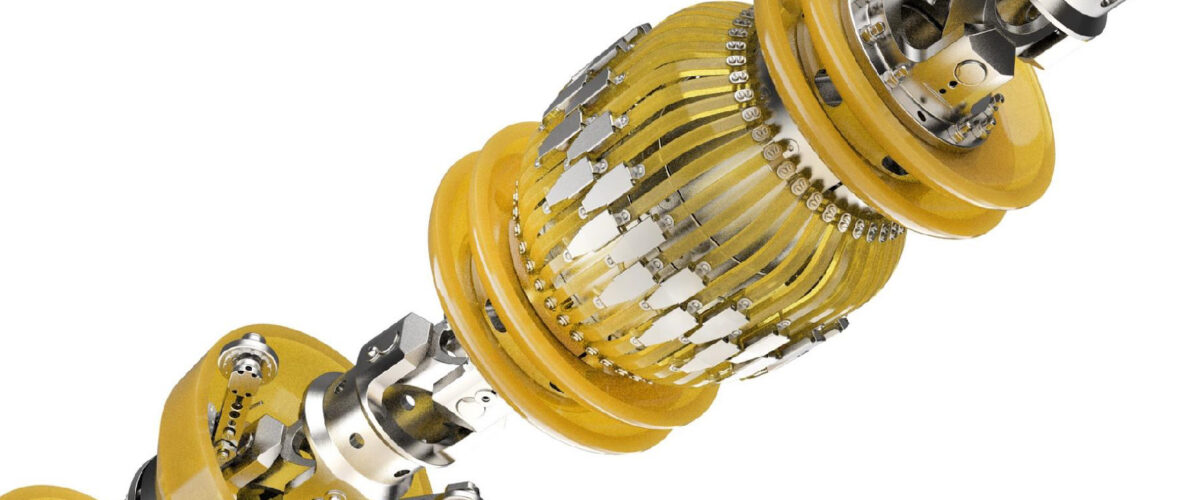
Magnetic Flux Leakage (MFL) pigging is a type of pigging that uses magnetic fields to detect any corrosion or metal loss in the pipeline. MFL pigs are equipped with magnets that create a magnetic field around the pipeline, and any anomalies in the magnetic field can indicate the presence of corrosion or metal loss. This allows operators to identify areas of the pipeline that may require repair or replacement before they become a safety hazard.

Ultrasonic Testing (UT) pigging is another type of pigging that uses high-frequency sound waves to detect defects in the pipeline. UT pigs emit sound waves that travel through the pipeline and bounce back when they encounter a defect, such as a crack or a dent. This allows operators to identify areas of the pipeline that may be weakened and require repair or reinforcement.

In addition to MFL and UT pigging, there are other types of pigging services that may be used in the oil and gas industry, including cleaning pigs, smart pigs, and gauge pigs. Cleaning pigs are used to remove debris and buildup from the pipeline, while smart pigs are equipped with sensors and data collection devices that can provide detailed information about the condition of the pipeline. Gauge pigs are used to measure the diameter and thickness of the pipeline, which can help operators identify areas that may be at risk of failure.

Overall, pigging services play a critical role in the oil and gas industry by helping to maintain the safety and efficiency of pipelines. By detecting and repairing defects before they become a safety hazard, pigging services can help reduce the risk of accidents and ensure the reliable operation of the pipeline system.

Basic Process of Magnetic Flux Leakage (MFL) Inspection:

Magnetic Flux Leakage (MFL) testing is a non-destructive testing method used to detect corrosion and metal loss in pipelines and other metallic structures. MFL testing is commonly used in the oil and gas industry to assess the condition of pipelines and identify areas that may require repair or replacement.

The process of MFL testing typically involves the use of a specialized tool, called an MFL pig, that is inserted into the pipeline and propelled through it using the flow of the product. The MFL pig is equipped with magnets that create a magnetic field around the pipeline. As the pig moves through the pipeline, any areas where the metal has been lost or thinned will cause a distortion in the magnetic field. This distortion is detected by sensors in the MFL pig, which record the location and severity of the anomaly.

The data collected during MFL testing is analyzed by trained technicians who can interpret the results and identify areas of concern. The data can also be used to create a detailed map of the pipeline, showing the location and severity of any defects.

MFL testing is a fast and effective way to detect corrosion and metal loss in pipelines. It is a non-destructive method that does not require the pipeline to be taken out of service, making it a cost-effective way to assess the condition of pipelines. MFL testing is also highly accurate, with the ability to detect corrosion and metal loss as small as 5% of the pipeline’s wall thickness.

Overall, MFL testing is an important tool for maintaining the safety and reliability of pipelines in the oil and gas industry. By detecting and repairing defects before they become a safety hazard, MFL testing can help ensure the continued operation of the pipeline system.

Basic Process of Ultrasonic Testing (UT) Inspection:

Ultrasonic Testing (UT) is a non-destructive testing method used to detect defects in materials, including pipelines, using high-frequency sound waves. UT testing is commonly used in the oil and gas industry to assess the condition of pipelines and identify areas that may require repair or replacement.

The process of UT testing typically involves the use of a specialized tool, called a UT pig, that is inserted into the pipeline and propelled through it using the flow of the product. The UT pig emits high-frequency sound waves that travel through the pipeline and bounce back when they encounter a defect, such as a crack or a dent. The reflected sound waves are detected by sensors in the UT pig, which record the location and severity of the defect.

The data collected during UT testing is analyzed by trained technicians who can interpret the results and identify areas of concern. The data can also be used to create a detailed map of the pipeline, showing the location and severity of any defects.

UT testing is a fast and effective way to detect defects in pipelines. It is a non-destructive method that does not require the pipeline to be taken out of service, making it a cost-effective way to assess the condition of pipelines. UT testing is also highly accurate, with the ability to detect defects as small as 0.1 mm in size.

Overall, UT testing is an important tool for maintaining the safety and reliability of pipelines in the oil and gas industry. By detecting and repairing defects before they become a safety hazard, UT testing can help ensure the continued operation of the pipeline system.

Benefits of Pigging:

  1. Improved Pipeline Efficiency: Pigging can help to improve the efficiency of pipelines by removing debris and buildup, reducing flow resistance, and ensuring consistent product flow.
  2. Reduced Downtime: Pigging can be performed while the pipeline is in operation, which minimizes downtime and reduces production losses.
  3. Enhanced Safety: Pigging can help to identify and prevent safety hazards, such as corrosion or metal loss before they cause accidents or spills.
  4. Increased Product Recovery: Pigging can help to recover products that would otherwise be lost in the pipeline, which can improve profitability and reduce waste.
  5. Lower Environmental Impact: By reducing spills and leaks, pigging can help to minimize the environmental impact of pipeline operations.
  6. Cost Savings: Pigging can help to reduce maintenance costs by detecting and repairing defects before they cause more extensive damage.
  7. Improved Quality Control: Pigging can help to ensure product quality by removing contaminants and ensuring consistent product flow.
  8. Longer Pipeline Life: Pigging can help to extend the life of pipelines by preventing corrosion and metal loss, which can reduce the need for costly replacements.
  9. Easier Maintenance: Pigging can help to simplify maintenance by providing accurate data on the condition of the pipeline, which can help to identify areas that require repair or replacement.
  10. Increased Operational Flexibility: Pigging can help to increase operational flexibility by allowing products with different characteristics to be transported through the same pipeline.